Act Fast to Shield Drafty Crawl Spaces Against Freezing Pipes
Ontario winters arrive with punishing speed, sending temperatures plummeting well below freezing in a matter of days. Homes with unheated basements or drafty crawl spaces are particularly vulnerable to sudden plumbing disasters during these severe cold snaps. At SUPER PLUMBER, we handle dozens of calls every winter from property owners dealing with split water lines and flooded utility rooms. Taking immediate action to shield your exposed plumbing is the only way to avoid the massive cost and disruption of a burst pipe.
When water freezes inside a copper or plastic line, it expands with immense force and splits the material wide open. Once the ice thaws, hundreds of gallons of water will pour directly into your home. We have outlined a precise sequence of steps to help you secure your plumbing before the frost sets in. Moving quickly through this action plan ensures your property remains dry and safe throughout the coldest months of the year.
Essential Cold Weather Steps
- Stage 1: Assess Your Vulnerable Areas
- Stage 2: Schedule Preventative Maintenance
- Stage 3: Protect Exposed Pipe Networks
- Frequently Asked Questions
Stage 1: Assess Your Vulnerable Areas
Before the snow starts falling, you must locate every water line that runs through an unconditioned space. Identifying the weak points in your home is the first critical step toward proper winterization.
- Check the Crawl Space: Inspect the area under your main floor for any bare pipes running near outside vents or uninsulated foundation walls.
- Locate the Shutoff Valve: Find your main water shutoff valve so you can turn the supply off immediately if a freezing issue occurs.
- Draft Detection: Feel around basement windows and sill plates for freezing air drafts that blow directly onto your exposed water lines.
- Examine Hose Bibs: Verify that your outdoor garden hoses are completely disconnected to prevent ice from travelling back into the interior plumbing.
Stage 2: Schedule Preventative Maintenance
Securing a spot on a professional service calendar is vital before the first major freeze triggers a rush of emergency calls. A licensed technician can correct hidden vulnerabilities that you might easily overlook.
- Book a Pipe Inspection: Have a professional evaluate your aging water lines and replace any heavily corroded sections before the cold makes them brittle.
- Install Frost Free Bibs: Ask your plumber to swap out standard outdoor faucets for frost free models that keep the water valve safely inside the heated building envelope.
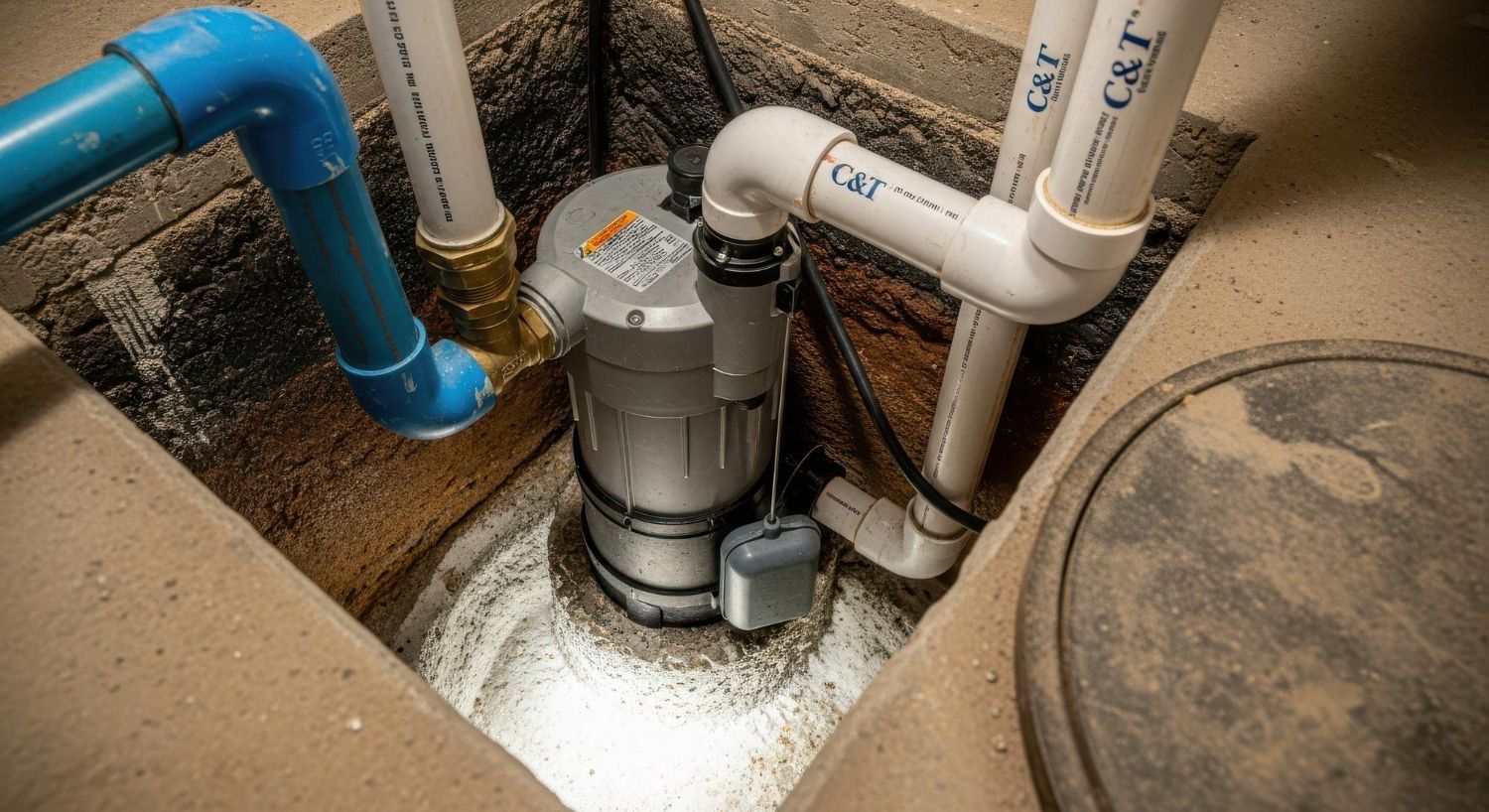
- Check Sump Pump Drains: Ensure the discharge line for your basement sump pump is pitched correctly so standing water does not freeze and block the exit pipe.
This is something clients notice firsthand when they take proactive measures to update their aging plumbing infrastructure.
► Client Experience: Craig Honey shared “Jeremy and his team did a great job replacing our Poly B piping in our house in Caledon. They worked hard and carefully to protect our furnishings. Jeremy also recommended and implemented improvements to our system and helped fix some long term design flaws in our plumbing.”
Implementing smart design improvements before the weather turns is exactly why Craig Honey highly recommends our installation team.
Stage 3: Protect Exposed Pipe Networks
The final phase requires adding physical barriers between your water supply and the freezing ambient air. Proper insulation techniques buy you critical time during a sudden heating failure or power outage.
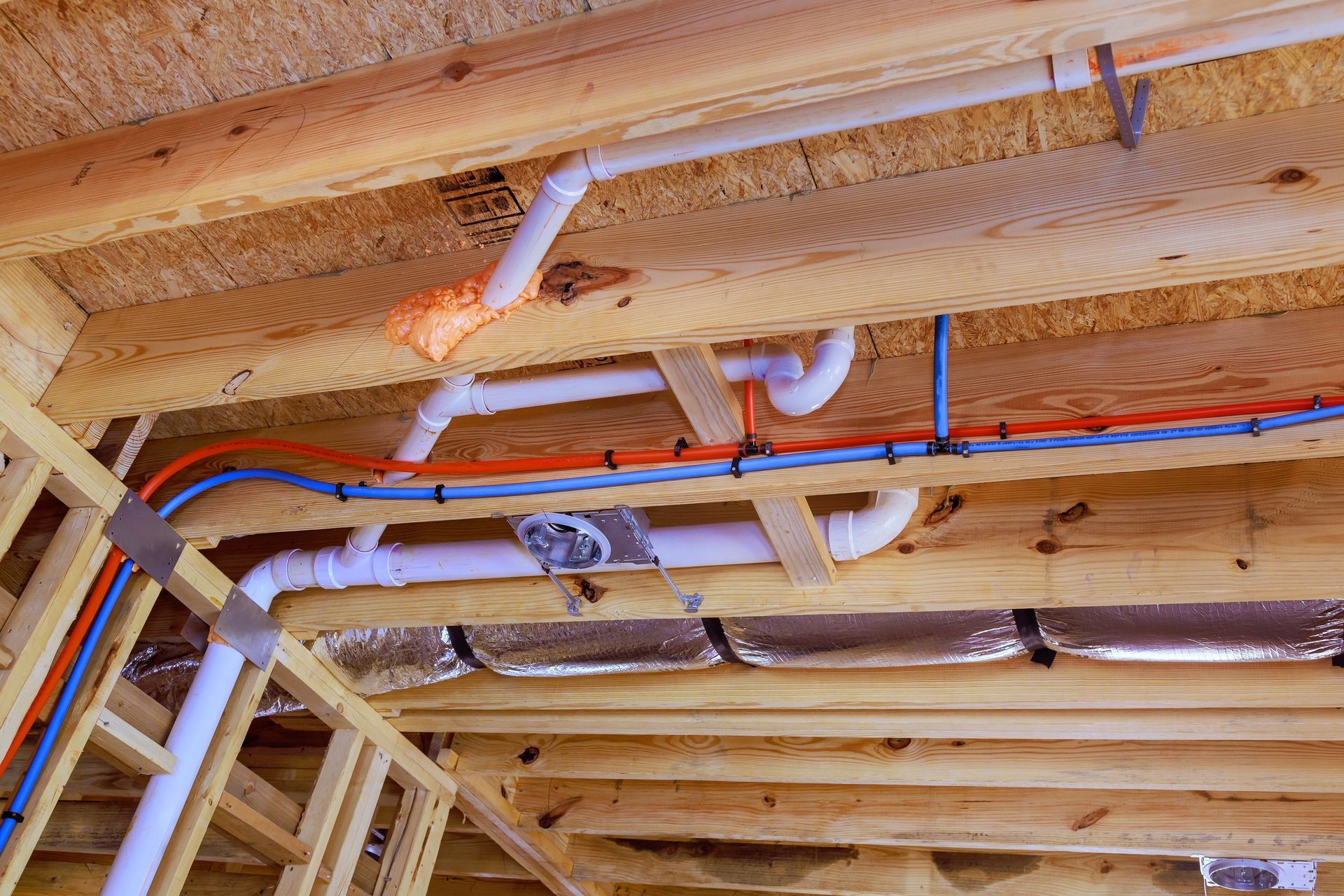
- Apply Foam Sleeves: Wrap all bare copper and plastic lines in high density foam pipe insulation, securing the seams tightly with heavy duty tape.
- Seal Foundation Leaks: Use expanding spray foam to plug any gaps around exterior wall penetrations where freezing wind enters the crawl space.
- Open Cabinet Doors: Leave the doors under your kitchen and bathroom sinks wide open during extreme cold snaps to allow heated room air to circulate around the pipes.
► The single most important urgency fact is that waiting until the local weather forecast predicts a deep freeze guarantees that hardware stores will be completely sold out of pipe insulation and heat tape.
Frequently Asked Questions
At what temperature do indoor basement pipes freeze?
Indoor pipes typically begin to freeze when the outside air temperature drops to minus six degrees Celsius or lower. However, if your crawl space has open vents or lacks proper wall insulation, the wind chill can freeze the water inside the lines even when the outdoor temperature is slightly warmer.
Will insulation stop my pipes from freezing solid?
Insulation does not generate heat, but it significantly slows down the transfer of heat away from the water inside the pipe. During a prolonged power outage or extreme cold snap, insulated pipes will eventually freeze, but the foam barrier gives you several extra hours to restore the heat or drain the system before a blockage forms.
How do plumbers safely thaw frozen pipes behind drywall?
Professionals use specialized thawing equipment, such as heavy duty heat guns and electrical pipe thawing machines, to gradually melt the ice blockage. We never use open flames or propane torches, as this creates a massive fire hazard and can boil the water, causing the pipe to explode from steam pressure. If a pipe is hidden, booking frozen pipe repair Ontario residents trust is crucial to safely open the drywall and apply controlled heat.
Finalizing Your Winter Defense
Shielding your plumbing from freezing temperatures requires a methodical approach to insulation and draft reduction. By acting now to seal your crawl spaces and protect the bare lines, you secure your home against catastrophic water damage. Contact our dispatch desk today to schedule your preventative plumbing upgrades while appointments are still readily available.
Share This Blog