Tankless Electric Water Heater Upgrades: Is Now the Right Time for Toronto Homes?
Plunging winter temperatures in Mississauga and Richmond Hill force household heating systems to work twice as hard to maintain basic comfort. Homeowners frequently debate replacing their aging bulky tanks with modern on demand units to save space. SUPER PLUMBER relies on proven trade knowledge to evaluate if upgrading your equipment actually fits your specific property demands. Installing efficient electric water heaters requires a clear understanding of groundwater temperatures and your electrical panel capacity.
Switching to a tankless system is a major infrastructure change that impacts how your entire house uses water. We evaluate the true mechanical requirements of these units to ensure they deliver reliable heat during the coldest months of the year. Reviewing the facts separates clever marketing claims from practical plumbing reality.
What To Expect In This Breakdown
- The Reality Of Winter Groundwater
- Standby Heat Loss Facts
- Professional Installation Needs
- Frequently Asked Questions
The Reality Of Winter Groundwater
People often assume that tankless units deliver infinite hot water instantly regardless of the weather outside. The reality is that municipal groundwater drops to near freezing during a Toronto winter. An on demand unit must heat that frigid water incredibly fast as it flows through the heat exchanger. This process demands massive electrical draw to raise the temperature rapidly enough for a comfortable shower.
Standby Heat Loss Facts
A common myth involves tweaking settings on traditional tanks to save money during the winter. Customers frequently ask should I adjust my water heater temperature in winter to lower utility bills. Trade professionals strongly advise keeping the thermostat set to a consistent one hundred and twenty degrees Fahrenheit year round. Lowering the temperature promotes dangerous bacterial growth inside the tank while raising it too high creates severe scalding risks for your family.
Professional Installation Needs
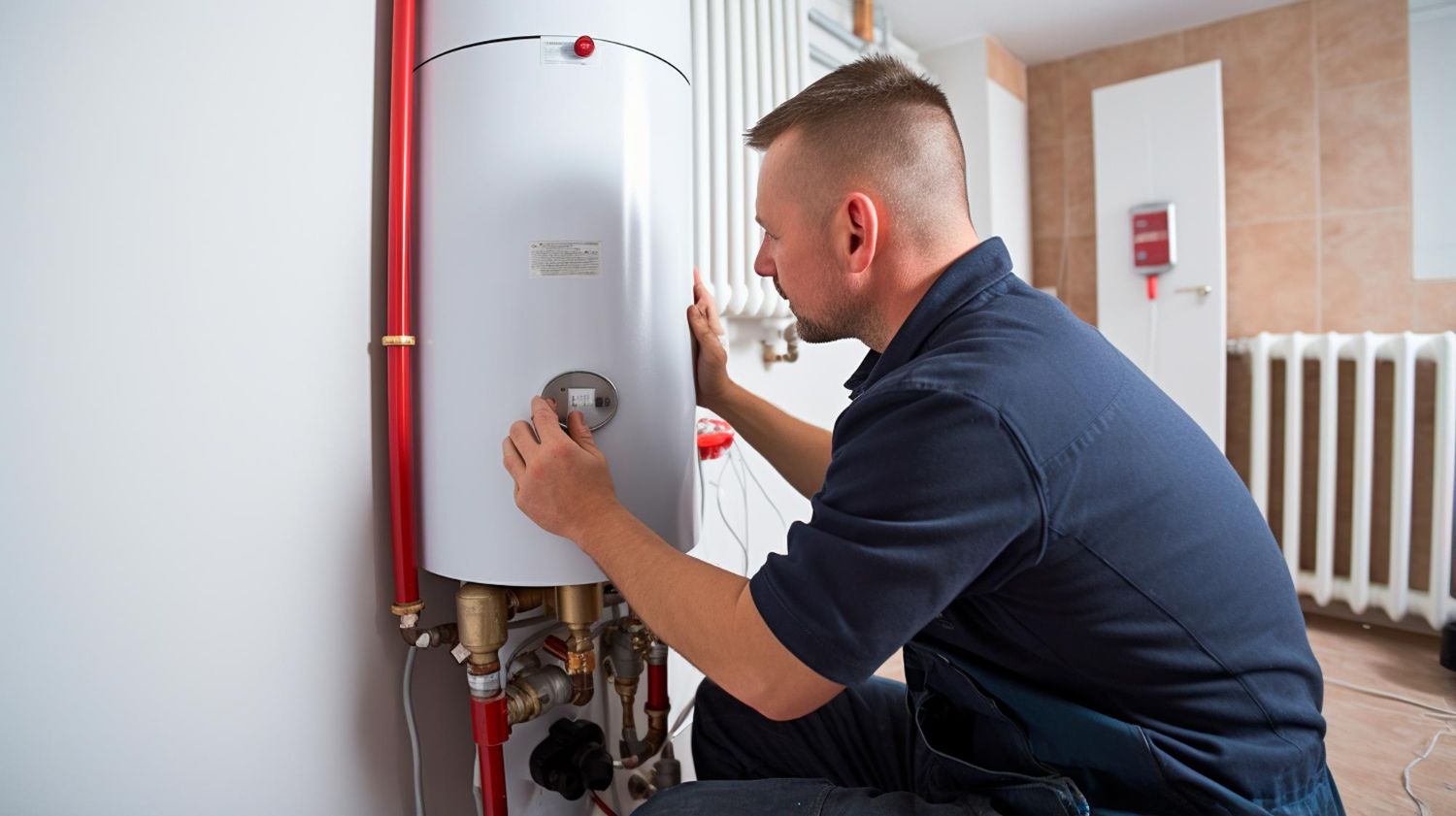
Upgrading to an electric tankless unit almost always requires a licensed electrician to upgrade your breaker panel. These high powered units pull significantly more amperage than a standard storage tank. We inspect your electrical capacity and map out the required wiring upgrades to ensure your new system operates safely without constantly tripping your household breakers.
Frequently Asked Questions
Do tankless units require annual flushing?
Yes tankless water heaters must be flushed annually with a specialized descaling solution to remove hard water mineral buildup. Calcium deposits coat the internal heat exchangers which severely restricts water flow and destroys the heating elements over time.
Are electric tankless heaters better than gas models?
Electric models are much cheaper to install because they do not require complex gas piping or exterior exhaust venting. However gas models generally provide a higher flow rate of hot water making them better suited for large households with multiple bathrooms running simultaneously.
Optimize Your Hot Water Supply
Making the switch to an on demand system provides lasting comfort when matched properly with your home infrastructure. Contact our estimating team to review your electrical capacity and accurately size a heating unit for your property.
Share This Blog